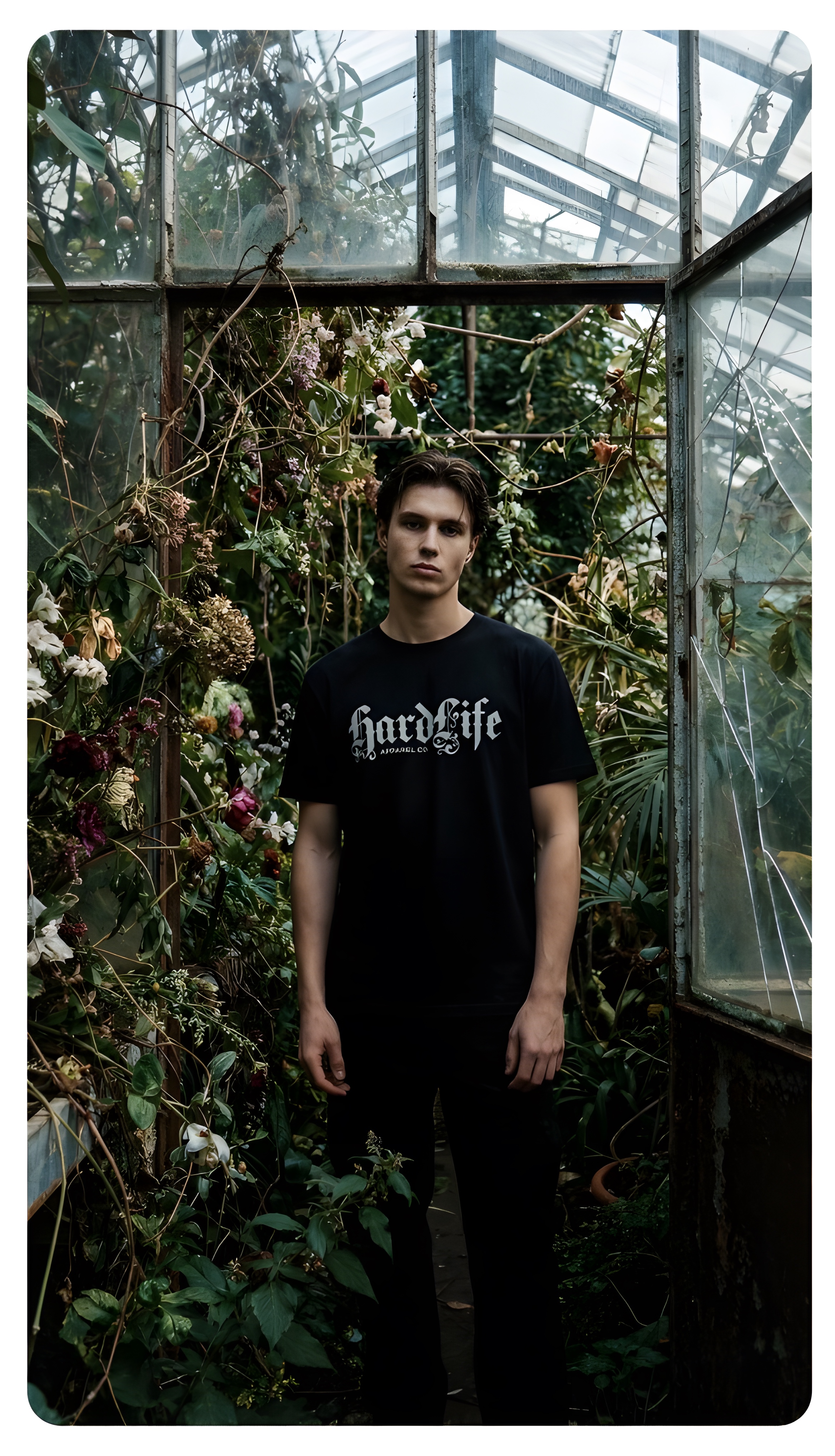
There’s a certain kind of respect that only comes with time. Not the hype-cycle respect that moves product for a season — the other kind. The kind that gets built from years of showing up, staying independent, and refusing to water things down for a wider audience.
That’s Philadelphia’s relationship with streetwear. The city has never been the loudest voice in the room. It doesn’t need to be. While New York and Los Angeles have long dominated the cultural conversation, Philly built something quieter, harder, and more durable. A scene rooted in skateboarding, graffiti, and the particular stubbornness of a city that knows what it is.
Understanding Philadelphia’s streetwear culture means understanding the city itself — working class, deeply proud, allergic to pretension, and completely indifferent to what anyone else thinks is cool.
The Roots: Skate Culture and South Street
Before streetwear was a category, it was just what skaters wore. And in Philadelphia, skateboarding had a gravitational center: LOVE Park, officially known as John F. Kennedy Plaza, a brutalist concrete expanse in the heart of Center City that became one of the most legendary skate spots on Earth.
Through the 1980s and 1990s, LOVE Park drew skaters from across the country. Where skaters congregate, culture follows — the art, the music, the clothing, the attitude. The aesthetic that emerged wasn’t imported from anywhere. It was native to the concrete, shaped by the climate, hardened by the winters.
“Philadelphia doesn’t trend-follow. It builds things from the ground up, gets attached to them, and keeps them alive long after everyone else has moved on.”
South Street was the commercial artery of that culture. Independent skate shops, record stores, and boutiques clustered along that corridor through the 80s and into the 90s, creating a physical infrastructure for the scene. You could buy your deck, your wheels, your bearings, and your graphic tee in the same few blocks. That proximity mattered. It’s how scenes actually form — through density, through regular contact, through the accumulated weight of shared physical space.
When the city eventually cracked down on skating at LOVE Park in the early 2000s, the culture didn’t disappear. It dispersed and diversified — into neighborhoods, into independent brands, into a more diffuse but no less real streetwear identity that persists today.
What Makes Philly Streetwear Distinct
Every city’s streetwear scene carries the fingerprint of its environment. New York streetwear is dense and aggressive, shaped by competition and visibility. LA streetwear is sun-bleached and relaxed, inflected by skate culture, surf, and the particular looseness of the West Coast. Philadelphia streetwear is something else entirely.
It’s blunt. It tends toward strong graphics, heavy blackletter typography, and palettes that don’t apologize for themselves. The Old English aesthetic that shows up across Philly-rooted brands isn’t coincidental — it maps directly onto the graffiti tradition that runs through the city, the gang culture lettering, the tattoo shops, the murals. It’s a visual language that predates streetwear as a marketing category and runs much deeper than trend.
Philly streetwear also carries a particular relationship to loyalty. The city has always been suspicious of brands that blow up and leave — that use the city as an origin story while repositioning for national or global audiences. The brands that earn long-term respect are the ones that stay rooted. That don’t suddenly become vague about where they came from once the money gets bigger.
The Independent Brand Tradition
Major streetwear brands — your Supremes, your Stüssys, your Palaces — operate at a scale that requires constant newness, constant drops, constant cultural positioning. The independent brand world works differently. The margins are tighter, the audience more specific, and the relationship between brand and customer far more direct.
Philadelphia has always had a strong independent brand culture, partly because the city has never had the same access to major retail infrastructure that New York or LA enjoy. If you wanted to build a streetwear brand in Philly, you built it yourself. You found your own distribution. You cultivated your own community. You survived on the loyalty of people who actually knew what you stood for.
That DIY orientation produces brands with clearer identities and stronger convictions. They’re not built to appeal to everyone. They’re built to mean something specific to a specific group of people — and that specificity is exactly what makes them last.
Hardlife and the Long Game
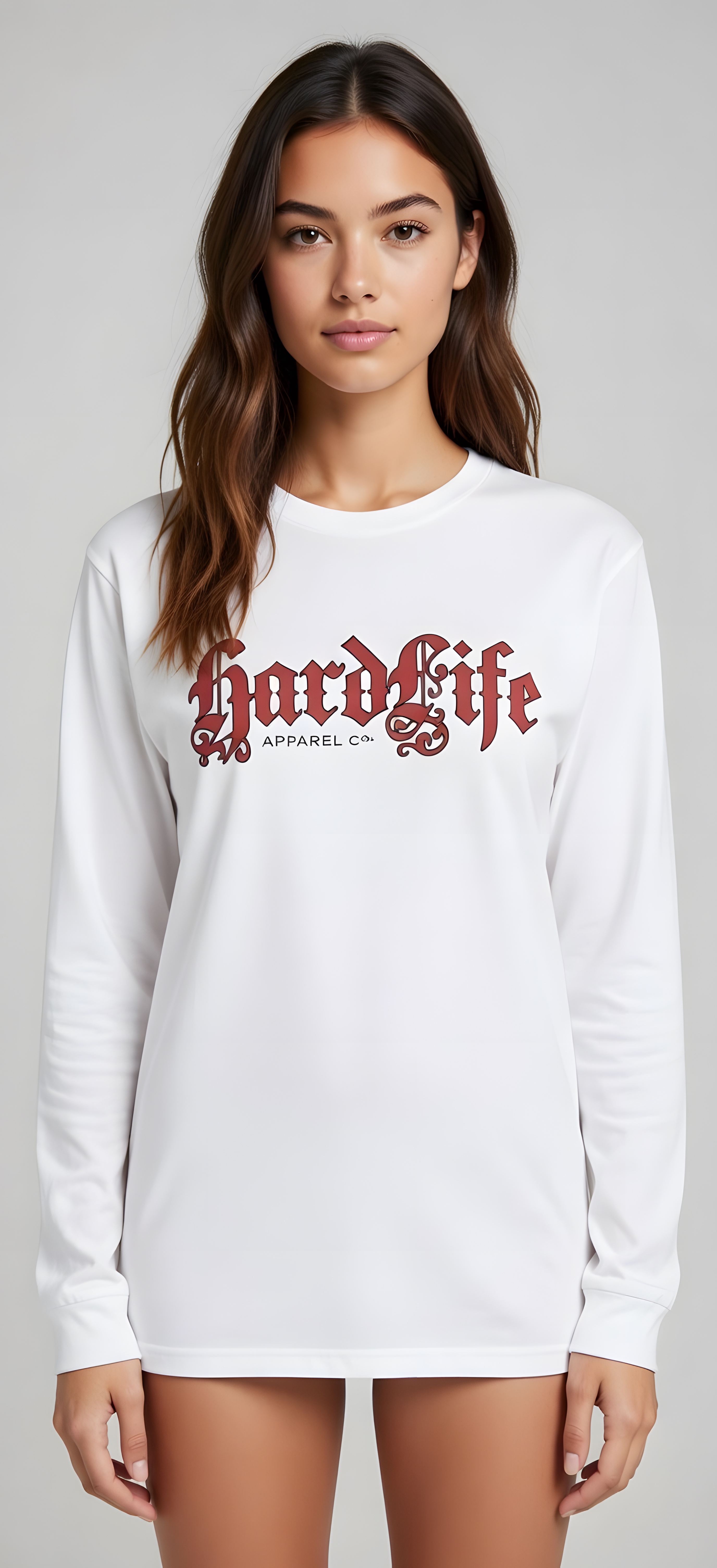
Hardlife Apparel Company started in Philadelphia in 2006, out of the same skate culture that had been running through the city for decades. The brand wasn’t built as a business plan. It was built as an expression — of a particular way of moving through the world, of a set of values that didn’t fit neatly into any existing brand’s marketing language.
The name says it plainly: Hard Life. Not glamorized difficulty. Not the performance of struggle for marketing purposes. The actual thing — the understanding that nothing worth building comes without cost, that the grind is real, that “Nothing Awesome Comes Easy” isn’t a slogan but an observation.
“The brands that earn long-term respect in Philadelphia are the ones that stay rooted. That don’t suddenly become vague about where they came from once the money gets bigger.”
Nineteen years in, HRDLF is still independent. Still Philadelphia. Still skate-rooted. The aesthetic has deepened — the Old English typography more refined, the graphics more considered, the product quality higher — but the foundation hasn’t shifted. That’s the Philly way. You build something real, and you keep building it.
Why It Matters Now
The broader streetwear landscape in 2026 is saturated with brands that were built to be acquired, scaled, or flipped. The venture-backed streetwear brand, the influencer-fronted drop brand, the fast-fashion adjacent brand moving product in bulk with the aesthetics of independence but none of the actual independence — these exist at scale and they muddy the water.
Against that backdrop, cities like Philadelphia — with their long traditions of genuine independent brand culture — matter more, not less. The real thing is harder to find, which makes it more valuable. The brand with an actual 19-year history, with a founder who’s been in the same city the whole time, with a customer base built on actual loyalty rather than algorithm-driven acquisition — that brand represents something the market is increasingly hungry for.
Authenticity is an overused word. But underneath the marketing abuse it’s suffered, the concept still means something: it means the story checks out. It means when you trace the origin, you find a real person, a real place, a real culture. Philadelphia’s streetwear scene has always understood this. It’s why the city produces brands that last.

Hardlife Apparel — Philadelphia Independent Since 2006
19 years of streetwear built on skate culture, Old English aesthetics, and zero outside investors.
 HRDLF
HRDLF 
Leave a comment